SOLUTIONS
Rail
Elastomer components for ROLLING STOCK — custom production from a drawing, reference or sample.

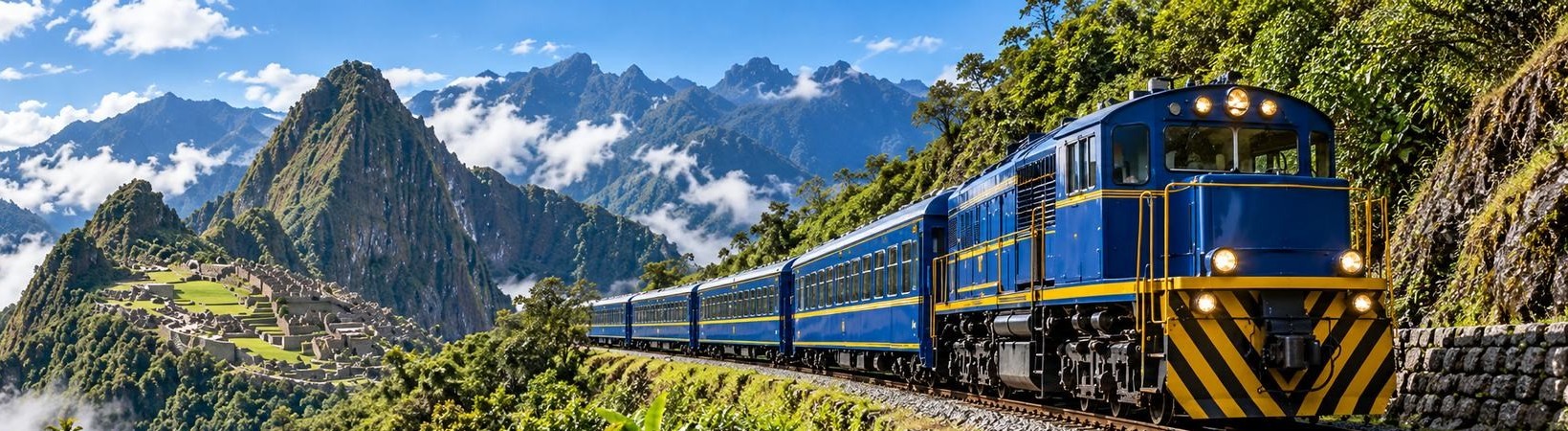
Elastomer components for ROLLING STOCK — custom production from a drawing, reference or sample.
Elastomer components for rolling stock operate in a demanding environment: permanent vibration and shock, millions of load cycles, wide temperature variations, exposure to weathering and contact with oils and cleaning products — all under strict regulatory requirements for fire and smoke behaviour (EN 45545) and operational continuity. Our solutions are developed to meet these demands, part by part.
Leak-tightness to liquids and gases at flanges, covers, shafts and frames, maintained under movement, vibration and thermal variation, with low compression set.
Isolation of vibration and shock between components, with controlled dynamic stiffness; reduces noise and extends equipment life.
Materials compliant with EN 45545-2 — flammability, smoke opacity and toxicity.
Parts subjected to millions of dynamic load cycles without cracking or loss of properties.
Reliable anchoring and adhesion to concrete and metal structures.
Performance across a wide temperature range (e.g. -40 to +70 °C) and resistance to UV, ozone, water and climatic cycling (EN 50125-1).
Resistance to oils, fuels, hydraulic fluids, solvents, adhesives and resins, without degradation of the material.
Long maintenance intervals and reliability throughout the life of the vehicle.
We co-develop components tailored to the operational, regulatory, and performance requirements of this sector. We work on a made-to-order basis, starting from each client's specific challenge.
Every project begins with a detailed needs analysis conducted by our technical team. From there, we develop the solution concept and move on to prototyping, validation, and manufacturing.
Each solution addresses a specific technical problem, with documented approaches and applications.
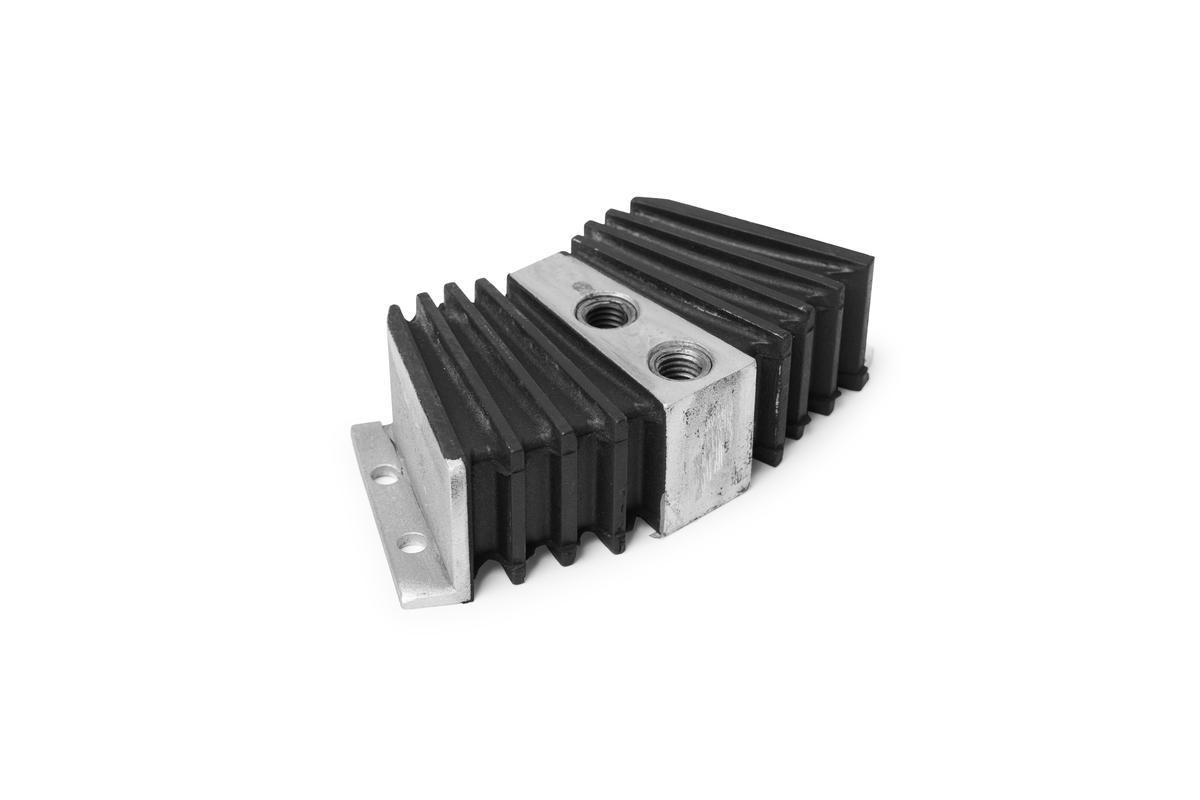
Mounts and dampers for supporting and isolating the motor, reducing vibration and noise.
Resistance to dynamic loads, high temperatures, vibration and wear, ensuring a long service life.
Railway motors, transmission systems, industrial equipment and suspension and anti-vibration isolation systems.
Typical applications
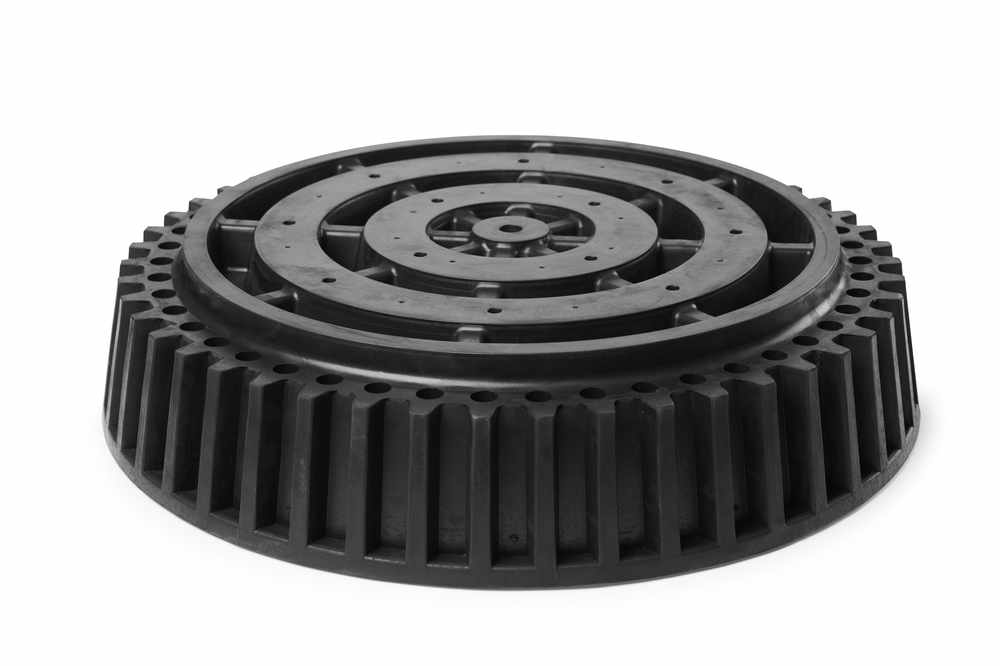
Mounts and dampers designed to absorb vibration and impact, contributing to the isolation between the bogie and the vehicle body.
High resistance to fatigue, compression, deformation and temperature variations, ensuring stability and durability.
Railway suspensions, industrial vehicles, vibration-isolation systems and heavy equipment.
Typical applications
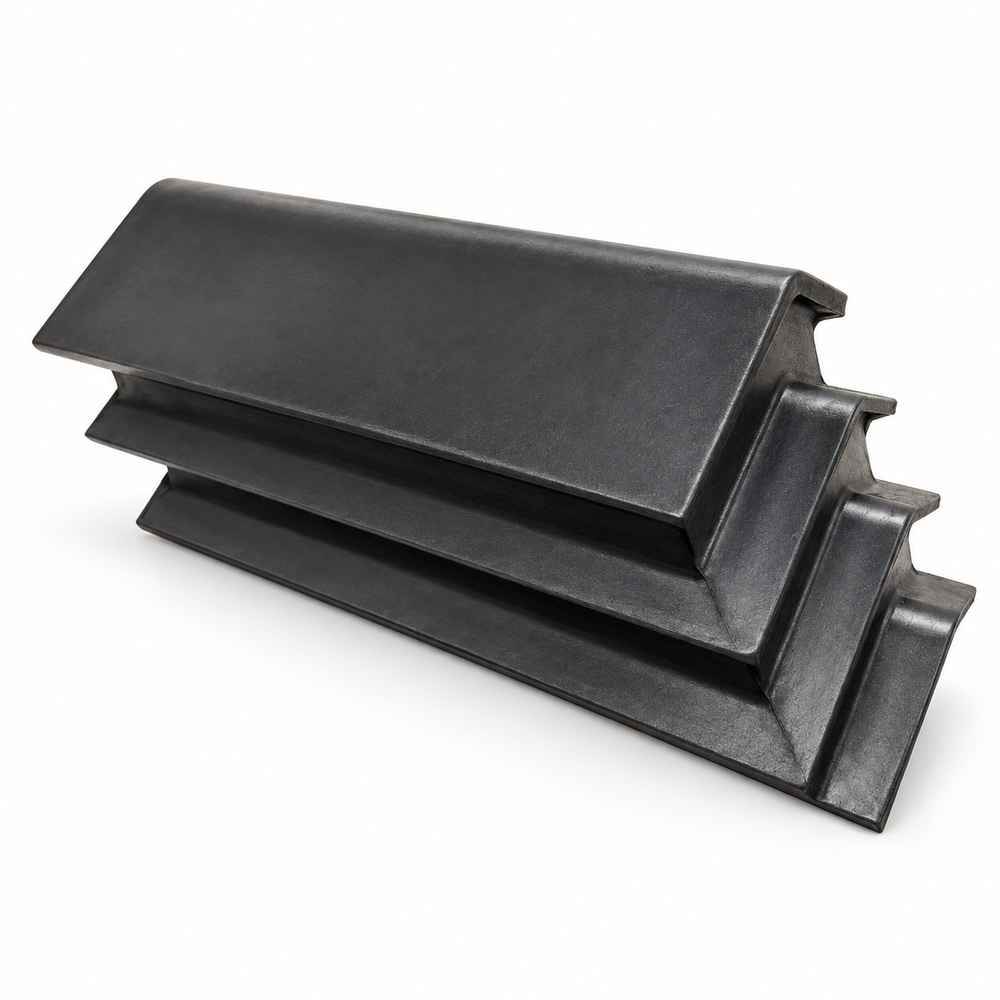
Inclined mounts and dampers that provide flexibility and damping, withstanding vertical, longitudinal and transverse forces.
Resistance to dynamic fatigue, deformation, wear and environmental conditions, ensuring stable behaviour throughout the service life.
Railway suspensions, heavy vehicles, industrial systems and equipment subject to vibration.
Typical applications
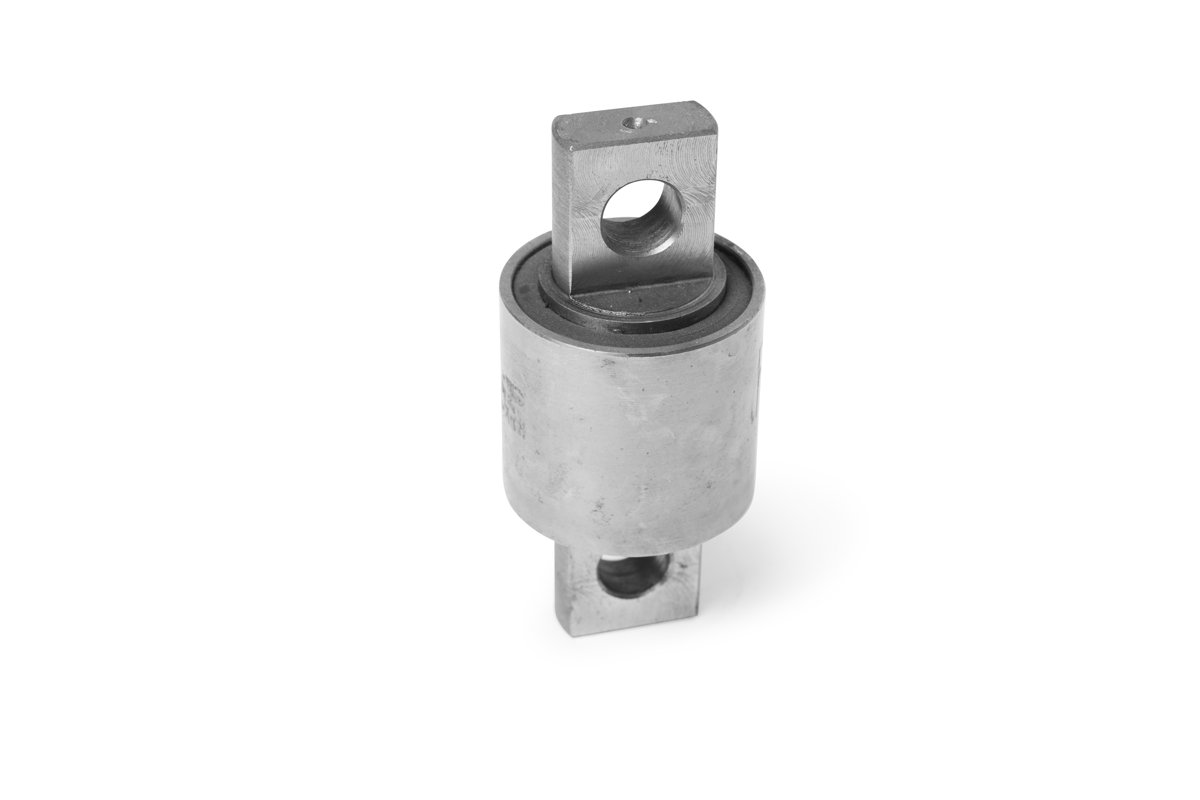
Mounts and dampers that allow controlled movement between components, reducing vibration, noise and the transmission of forces.
Various dimensions.
Resistance to fatigue, deformation, ageing and temperature variations, retaining the elastomeric and metallurgical properties.
Rail vehicles, suspensions and vibration-isolation systems.
Typical applications
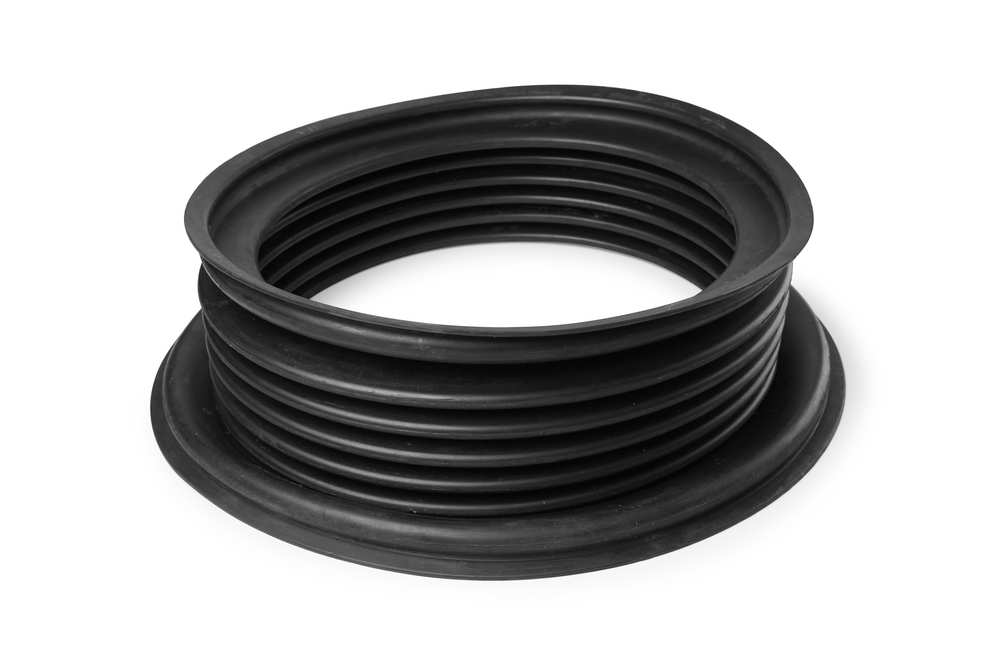
Flexible elements for the protection, sealing and compensation of movement between components subject to displacement or oscillation.
Resistance to repeated flexing, tearing, ageing, oils, extreme temperatures and environmental agents.
Railway, pneumatic systems and protective equipment.
Typical applications
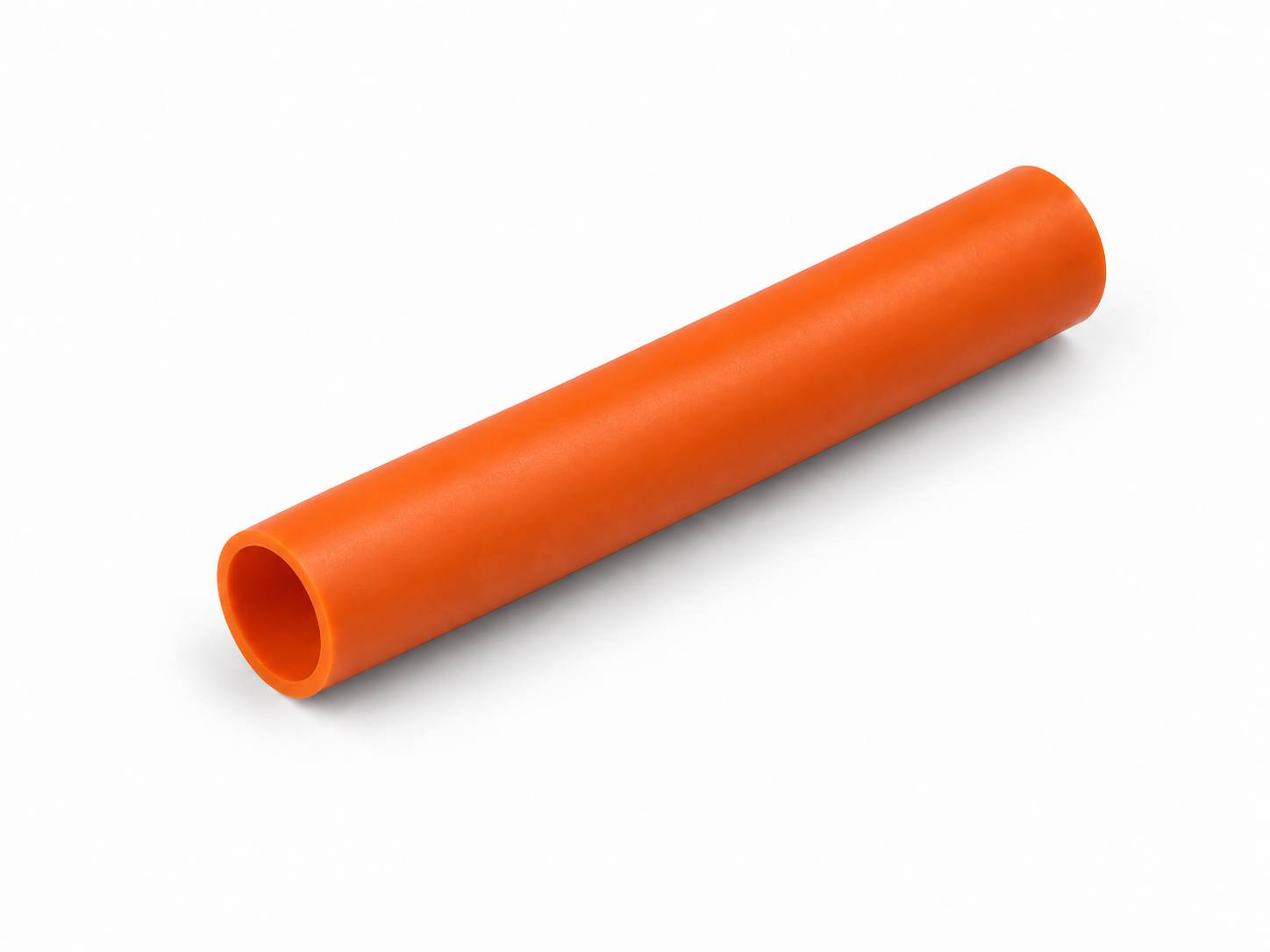
Flexible rubber components, with or without reinforcing fabric, used for the protection, connection and isolation of mechanical components or functional systems.
Resistance to pressure, abrasion, flexing, temperature, oils and other chemical agents, according to the application.
Railway systems, hydraulics and pneumatics.
Typical applications
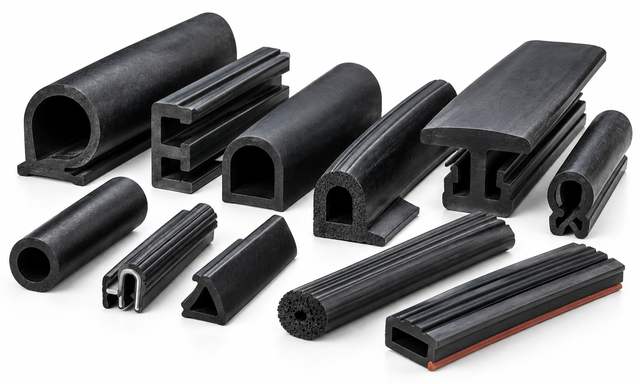
Profiles designed to seal between surfaces, preventing the ingress of water, dust, temperature variations and other contaminants.
Dimensional stability and elastic recovery. High resistance to ageing, compression, weathering, ozone and temperature variations.
Anti-trap door systems, windows, technical enclosures, rail vehicles, cars and industrial equipment.
Typical applications
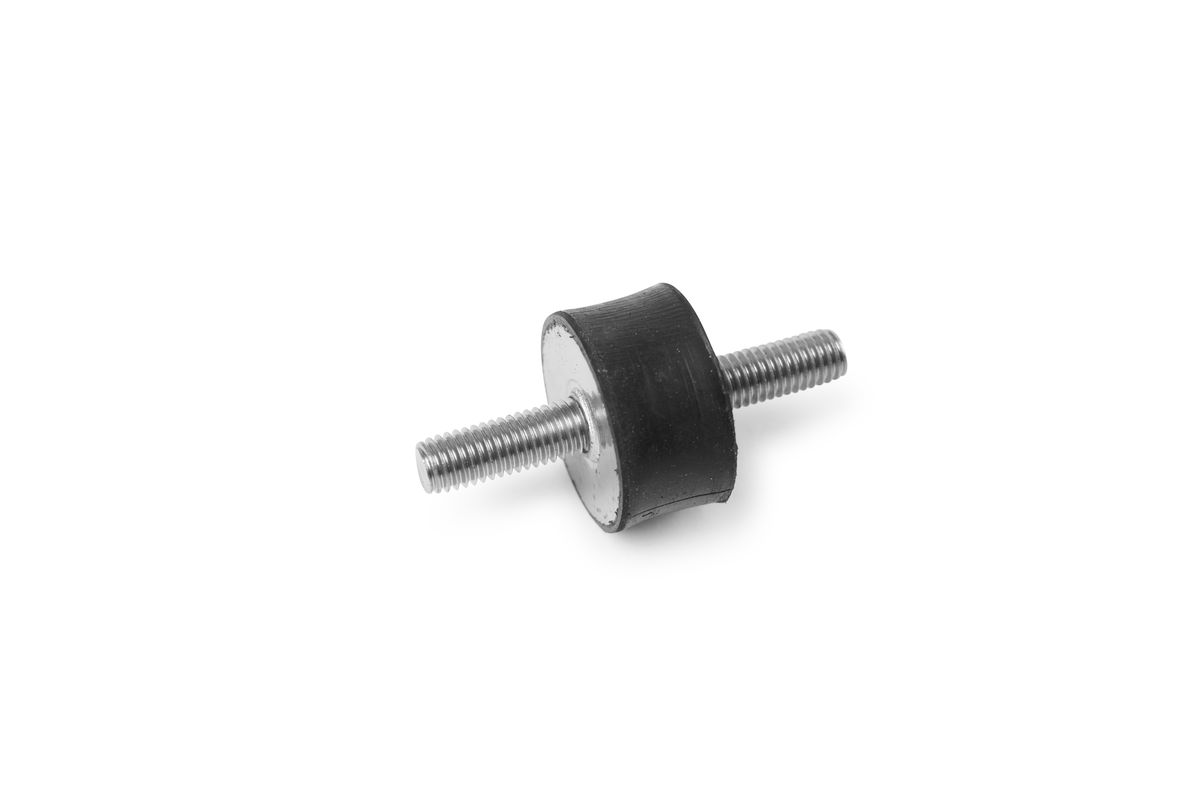
Elements designed to limit movement and absorb impacts, reducing vibration and the forces transmitted to structures.
High resistance to impact, compression, fatigue and wear, ensuring repeatable performance and a long service life.
Railway, doors, HVAC equipment and damping systems.
Typical applications
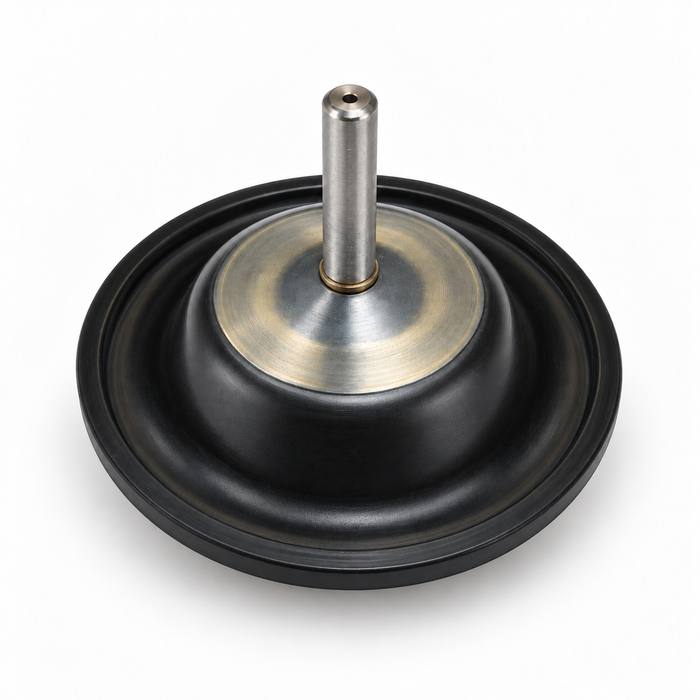
Flexible elements used to separate, seal or transmit pressure, allowing the movements of the system to be monitored and controlled.
Manufactured in various polymers, with or without reinforcing fabric.
Resistance to pressure, fatigue, deformation, temperature and contact with fluids or chemical agents.
Pneumatic and hydraulic systems, railway braking, levelling, valves and pumps.
Typical applications
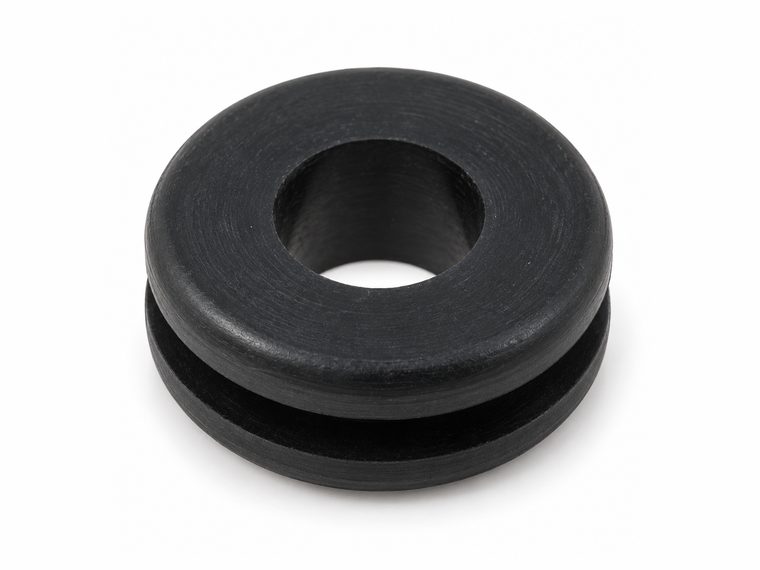
Elements for routing, securing and protecting cables, providing insulation and sealing at the same time.
Resistance to abrasion, vibration, temperature, humidity and environmental agents, ensuring the protection and safety of the cables.
Rail vehicles and electrical cabinets.
Typical applications
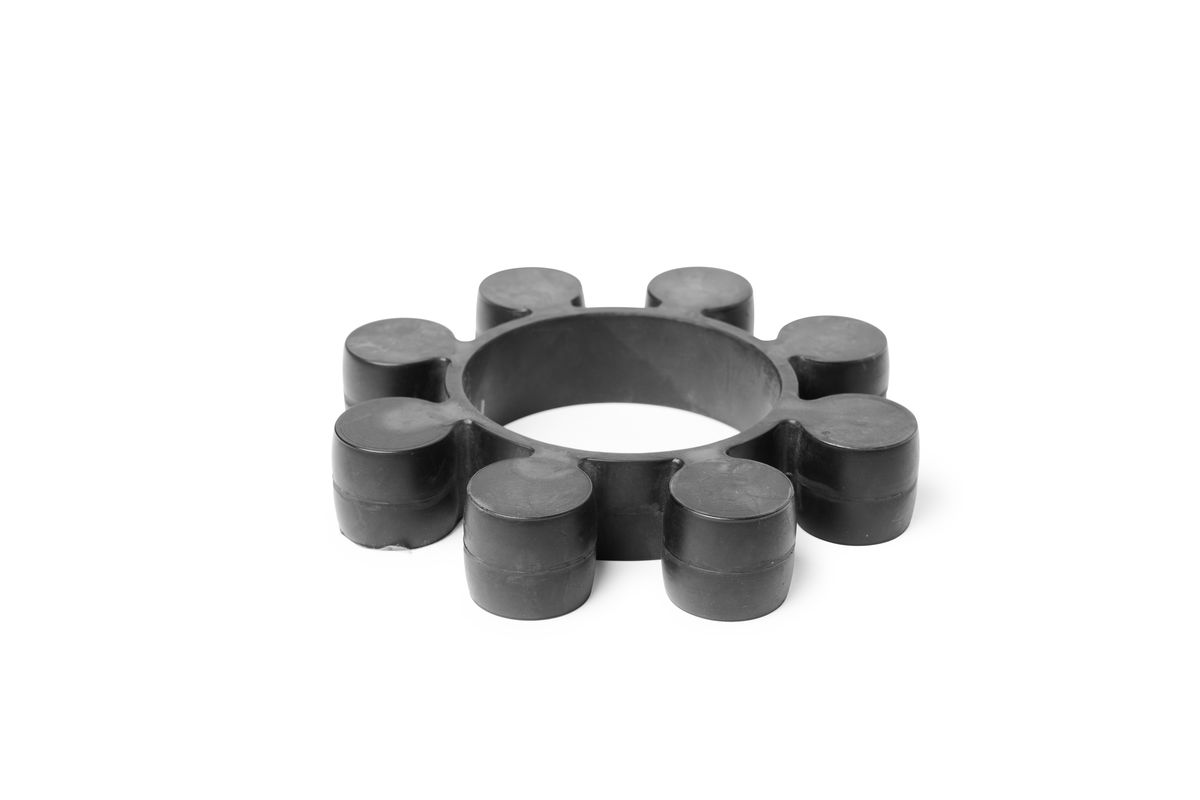
Flexible cardan elements, compatible with various coupling types. Designed to isolate vibration and compensate for misalignment between rotating mechanical components.
High resistance to fatigue, torsion, vibration, wear and dynamic loads, ensuring reliability in continuous operation.
Transmission systems.
Typical applications
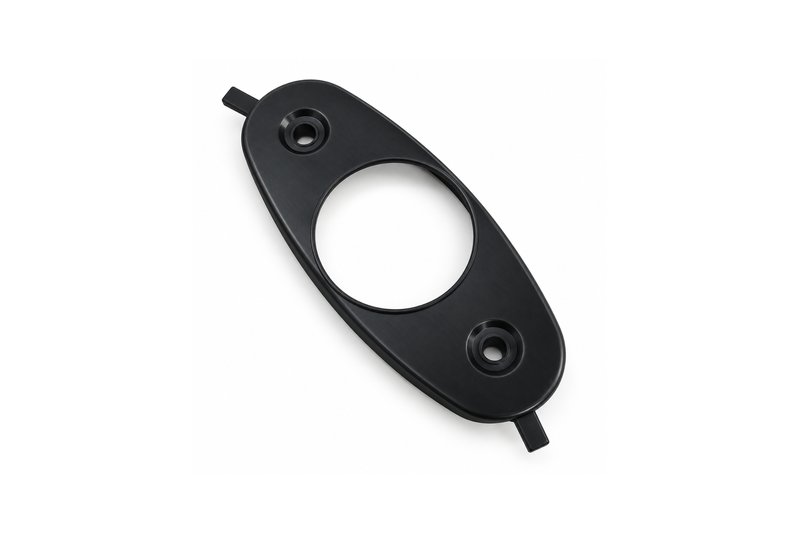
Silicone, rubber, NBR or EPDM; custom-moulded caps, covers (e.g. brake front cover) and protectors.
Protect parts and mechanisms against impact, dirt, moisture and external agents, with reliable fit and retention and long-term resistance to weathering and ageing.
Rolling-stock equipment, electrical components and mechanical systems.
Typical applications
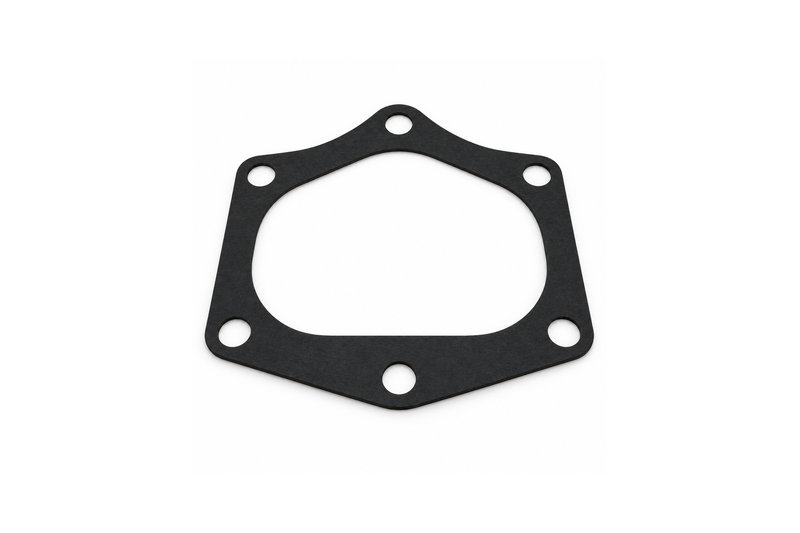
Silicone, EPDM (water) or NBR/FKM (oils and fuels); standard and custom profiles.
Ensure tightness between surfaces under pressure, temperature and compression set, in contact with oils, fuels, water and cleaning products.
Hydraulic and pneumatic systems, motors, gearboxes and rolling-stock equipment.
Typical applications
Rubber-to-metal element designed to reduce the transmission of vibration and noise between mechanical and structural components.
High isolation capacity and resistance to fatigue, compression and temperature variations, retaining the acoustic properties.
Railway wheelsets, motors and suspension systems.
Typical applications
Elements designed to remove objects, dirt and accumulated material from the rails, protecting components and surfaces during operation.
High resistance to abrasion, impact, wear and adverse environmental conditions, ensuring continuous operation.
Rail vehicles.
Typical applications
Mounts designed to limit the transverse travel of the vehicle body, contributing to running stability and safety.
Use of rubber with a high hysteresis index.
High resistance to impact, fatigue, compression and wear, withstanding repeated dynamic loads.
Rail vehicles, suspension systems and movement-control applications.
Typical applications
Mounts and dampers designed to limit the axial travel of the suspension, absorbing impacts and longitudinal forces.
High resistance to impact, compression, fatigue and wear, ensuring movement control and the protection of components.
Railway suspensions, industrial machinery, damping and travel-limiting systems.
Typical applications
Components designed to control and seal the flow of fluids or gases, ensuring the correct operation of the circuits.
High resistance to pressure, temperature, wear and the chemical action of fluids, ensuring tightness and reliability.
Pneumatic and hydraulic systems, railway braking, motors and fluid control.
Typical applications
Flexible elastomer elements that connect the ends of adjoining coaches, sealing and protecting the gangway area even during relative movement between vehicles.
High resistance to tearing, abrasion, fatigue, weathering, ozone and temperature variations, ensuring a long service life and watertightness.
Rail vehicles, passenger coaches, metros, suburban trains and other transport systems with inter-vehicle gangways.
Typical applications
Aplicado também em:
Tell us what you need and we'll propose the best solution.